Why events like Zoholics matter for business growth and customer trust
- Last Updated : April 10, 2026
- 175 Views
- 5 Min Read
In technology conversations, we often focus on software, automation, digital strategy, and systems. Teams analyse tools, compare platforms, and work hard to optimise workflows. Yet one growth driver still receives far less attention in serious business discussions than it deserves: events.
Not just webinars or product demos, but structured, in-person gatherings where customers, partners, and teams share the same space. Events are often treated as marketing activities or brand exercises. They are seen as large logistical efforts that require planning, coordination, and budget approvals. What often gets overlooked is their long-term strategic value.
When done well, events are not side projects. They accelerate growth. They strengthen trust, sharpen positioning, surface market insights, and align internal teams in ways that digital channels alone rarely achieve.
Events build immediate trust
Digital marketing helps businesses reach more people. Email campaigns nurture leads over time, and social media builds visibility. But trust develops differently when people meet face to face. In a room filled with business owners, operators, marketers, and technology leaders, conversations feel immediate and real.
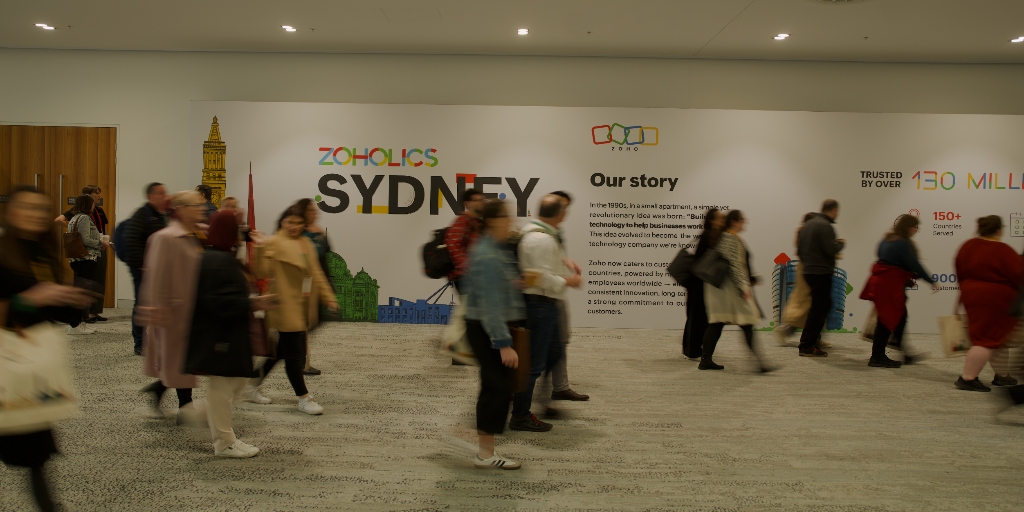
At conferences like Zoholics, attendees do not simply sit through presentations. They speak directly with product experts, ask practical questions, and compare experiences with other businesses using similar tools. These conversations shorten the distance between a brand and its customers.
A business owner who has been evaluating a new system for months may gain clarity in a single conversation at an event—giving them the confidence to move forward. A partner exploring expansion opportunities may discover direction during a breakout session. These moments rarely happen because of aggressive selling. They happen because people share context, experience, and proximity. Events have the ability to compress what might otherwise take months of back-and-forth emails into a few hours of meaningful engagement.
Events create clarity through context
In digital spaces, information often appears in fragments. A blog post explains a feature. A case study highlights a success story. A product page outlines capabilities. Customers usually connect these pieces themselves while trying to understand how a solution fits into their business. Events bring these fragments together into a clearer narrative.
A keynote outlines the broader vision. Breakout sessions explore real use cases. Panel discussions address industry challenges, while live demonstrations show how products work in practice. When these elements come together in one environment, attendees begin to see not only what a product does but how it fits within their own operations.
At Zoholics, this layered experience becomes especially visible. Different tracks serve different audiences. A marketing team may attend sessions on automation and analytics, while an IT manager explores integrations and security. By the end of the event, both leave with a clearer understanding of how technology supports their goals. Clarity reduces hesitation. When people understand how a solution works in context, decision making becomes far easier.
Events act as live market research
One of the most underrated aspects of events is the quality of insight they generate. Registration data reveals which industries show the strongest interest. Session attendance highlights trending topics. Questions during Q&A sessions surface real concerns from the market. For example, if sessions focused on data security consistently reach capacity, that signals a growing priority among attendees. If workshops on automation attract operational leaders across industries, it often reflects a wider efficiency challenge in the market.
Unlike surveys, which rely on structured questions, events produce spontaneous feedback. Conversations during networking breaks often reveal more than formal questionnaires ever could. Attendees speak openly about their frustrations, the challenges they face, and what they expect from the tools they use. In this sense, events become listening platforms, not just speaking platforms. The insights gathered in hallways, workshops, and informal discussions can shape product roadmaps, support strategies, and future content planning.
Events strengthen community, not just pipelines
Many businesses evaluate events through a pipeline lens. They focus on how many leads were generated, how many opportunities were created, and how many deals followed afterwards. While these metrics matter, they capture only part of the story.
Events also build community. Recurring conferences like Zoholics illustrate this clearly. Many attendees return not only for new announcements but for the familiar faces and ongoing conversations. Partners reconnect, customers continue discussions with product teams, and peer groups naturally form around shared challenges. This sense of community deepens loyalty. When customers feel part of something larger than a transaction, their relationship with the brand becomes stronger. They move from being users to becoming advocates. Community also amplifies word of mouth. A positive event experience often leads to social posts, referrals, and informal recommendations. These ripple effects extend far beyond the event itself.
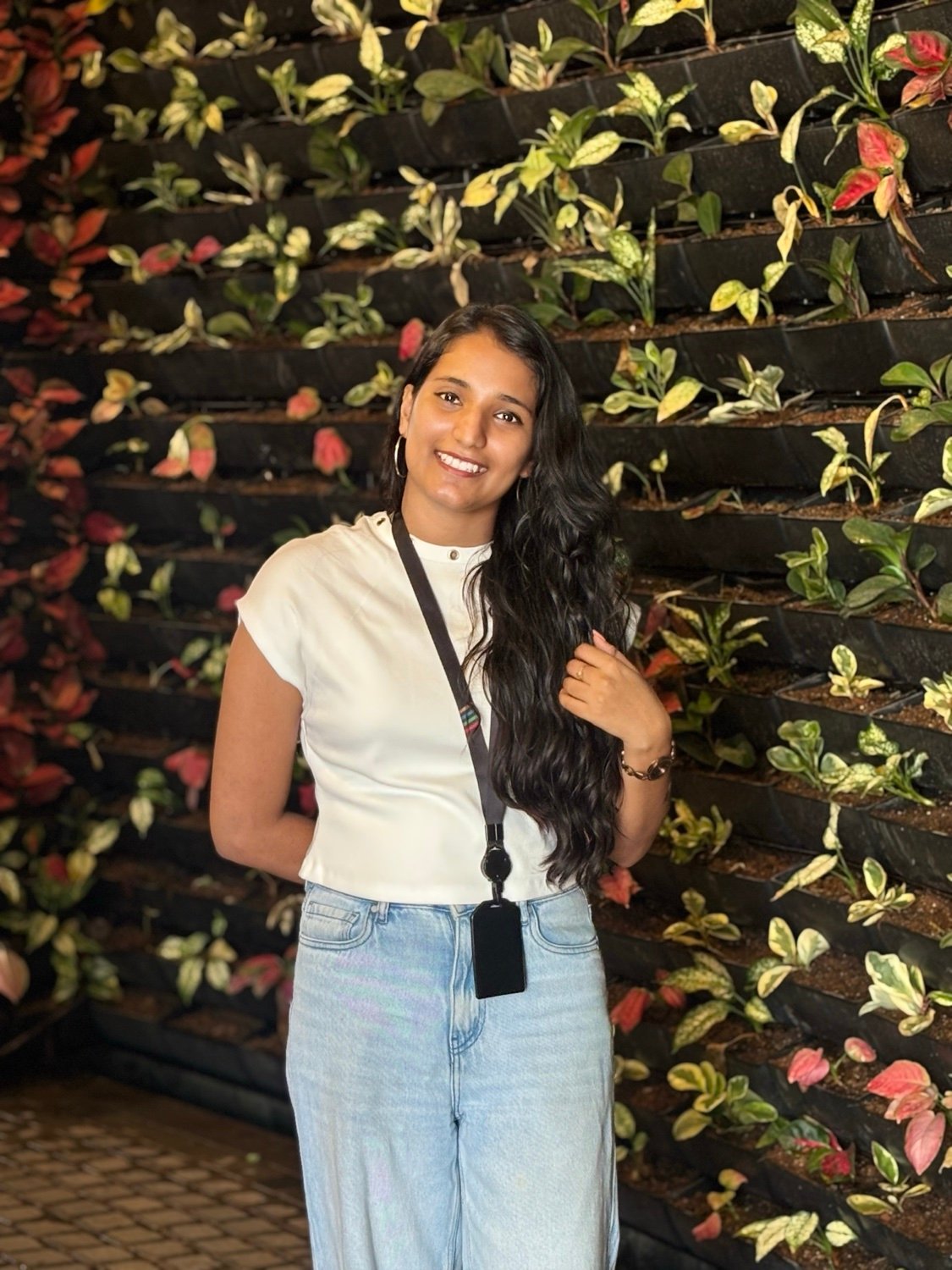
As Keerthana, Head of Events at Zoho A/NZ, puts it:
“Leads matter, but community lasts longer. When people return year after year, it is not because of a single session. It is because they feel part of something.”
“Leads matter, but community lasts longer. When people return year after year, it is not because of a single session. It is because they feel part of something.”
The long term impact of getting events right
When organisations approach events strategically, their impact extends well beyond a single day. Events clarify positioning, sharpen messaging, align teams, surface market signals, deepen relationships, and often accelerate decisions. More importantly, they create shared experiences that shape how people perceive a brand. People may forget a campaign headline, but they often remember how an event made them feel. They remember whether the conversations were useful, whether the sessions were relevant, and whether the experience felt organised and valuable.
In technology businesses especially, where complexity can sometimes create distance between product and user, events help reduce that distance. They humanise systems, give faces to support teams, and turn product features into real stories.
Why events deserve a bigger conversation
In many technology strategy discussions, events still sit at the edge of the agenda. They are often planned after product launches and marketing campaigns are already defined, and they are treated as amplifiers rather than strategic pillars. It may be time to rethink that order. Events are not simply platforms to announce updates. They are environments where trust forms, insights surface, and alignment happens. Designing them thoughtfully requires the same level of attention that organisations give to product roadmaps and digital strategies.
For organisations running conferences at the level of Zoholics, the value extends far beyond attendance numbers. Each event strengthens relationships, reveals customer priorities, and reinforces a sense of community that continues long after the sessions end. Beyond the stage lights and session schedules, events represent something deeper: a commitment to conversation, to listening, and to bringing people together. In a world increasingly shaped by screens and automation, that commitment carries more weight than we sometimes realise. That is why events matter far more than we often think.