

- HOME
- Taxes & compliance
- HMRC auto-enrolment: What finance professionals and MTD taxpayers need to know
HMRC auto-enrolment: What finance professionals and MTD taxpayers need to know
The first MTD for Income Tax quarterly update deadline has passed, with more than 436,000 sole traders and landlords submitting their first quarterly update to HMRC. More than 570,000 customers have now signed up for the service.
But signing up is only one part of getting ready for MTD for Income Tax.
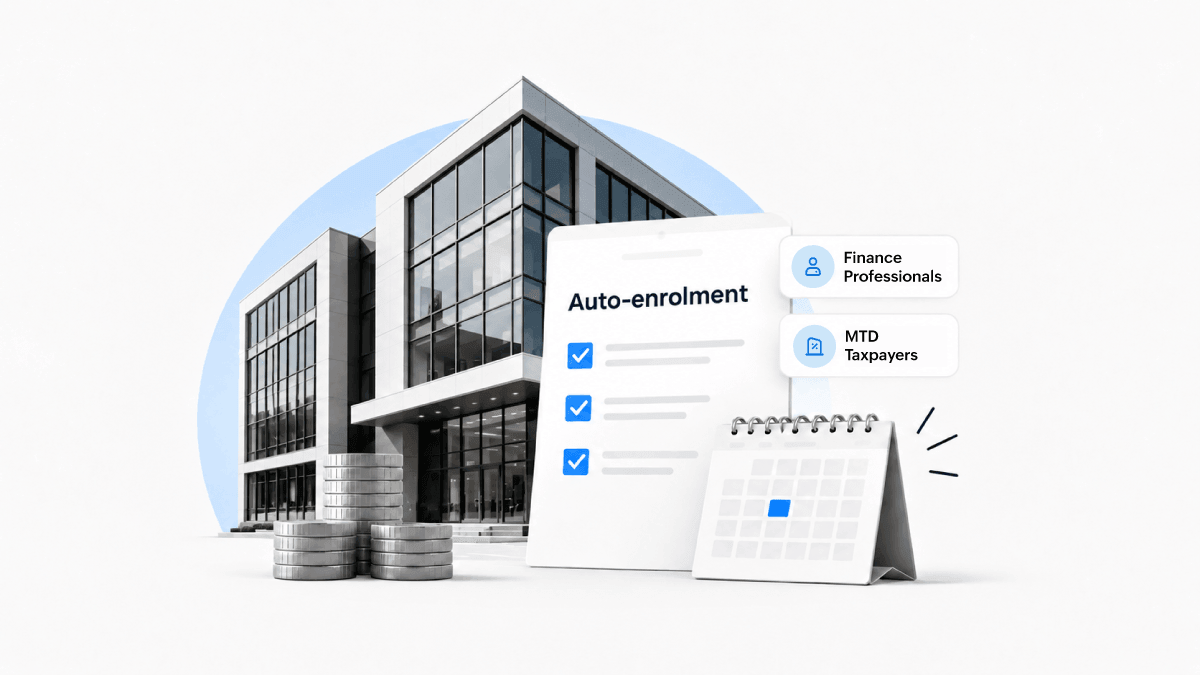
With HMRC now beginning to automatically enrol eligible taxpayers for the 2026–27 tax year, MTD is becoming part of the regular tax process. For taxpayers, that means getting used to keeping digital records and making quarterly updates. For accountants and bookkeepers, it means helping clients build processes that can work throughout the year, rather than only around the Self-Assessment deadline.
What does HMRC's auto-enrolment mean for taxpayers?
From September 2026, HMRC has started enrolling taxpayers who need to use MTD for Income Tax for 2026–27 but have not signed up themselves.
For the first cohort, HMRC is using information from the 2024–25 tax year to identify taxpayers with qualifying income above £50,000. This means a taxpayer whose qualifying income has since fallen below £50,000 may still need to use MTD for Income Tax for 2026–27.
If HMRC enrols you, you will be contacted after the process is completed. Depending on your circumstances, this may be through your HMRC online services account or by post. For taxpayers, the important thing is to understand what being enrolled means for their day-to-day tax records, not just the sign-up itself.
Why sign up for MTD for Income Tax yourself before HMRC does it?
When HMRC automatically enrols a taxpayer, it uses the information it already holds. This may not reflect changes in their circumstances or income sources since their last tax return. As a result, they may need to update their details or contact HMRC after being enrolled.
Signing up in advance gives taxpayers a chance to check their information and ensure it reflects their current circumstances. For finance professionals, it provides an opportunity to review their client list, identify those who still need to sign up, and address any changes before the enrolment process begins.
It also gives both taxpayers and their advisers more time to get ready for what follows, including setting up digital records, choosing compatible software, and preparing for upcoming quarterly updates.
If you’re a taxpayer, you can sign up for MTD for Income Tax. If you’re an accountant or bookkeeper, you can sign up your clients before HMRC does.
MTD changes the rhythm of tax reporting
Under MTD for Income Tax, taxpayers will provide quarterly updates during the tax year instead of waiting until the end of the year to report their self employment or property income and expenses.
These updates are cumulative. So, rather than starting from scratch each quarter, each update covers the figures from the beginning of the tax year to the end of that reporting period.
This makes keeping records throughout the year particularly important. Transactions, income, and expenses need to be recorded digitally and kept organised so quarterly updates can be prepared when they are due.
For finance professionals, this also changes how client work can be managed. Instead of concentrating most of the work around Self-Assessment season, there will be regular points during the year to review client records and address gaps.
What if the first quarterly update was missed?
There is no penalty point for a late quarterly update during the 2026–27 tax year. However, the outstanding update still needs to be submitted before the taxpayer can submit their tax return.
From 2027–28 onwards, the penalty points system will apply to missed quarterly update deadlines. A taxpayer will receive one penalty point for each missed deadline, and four points will result in a £200 penalty.
This gives taxpayers and their advisers time to understand the new reporting cycle and establish a process that works before the penalty points system takes effect.
Choosing software that works for both taxpayers and finance professionals is essential
For MTD to work as part of the regular accounting process, taxpayers need software that can support digital recordkeeping and quarterly submissions. Finance professionals also need a way to work with client records without adding unnecessary manual steps to every reporting period.
Zoho Books is HMRC-recognised and supports MTD for Income Tax. Taxpayers can maintain digital records and submit quarterly updates, while accountants and bookkeepers can work with client accounts, use bank feeds and automated transaction matching, and keep financial information organised throughout the year.
As MTD moves into regular use, the focus shifts from simply meeting individual deadlines to building a process that keeps records, reporting, and tax work connected throughout the year.